On Generosity
“The prosperity of the community grows from the flow of relationships, not the accumulation of goods.”
— Robin Wall Kimmerer
Shared Abundance
Let me start with a true story.
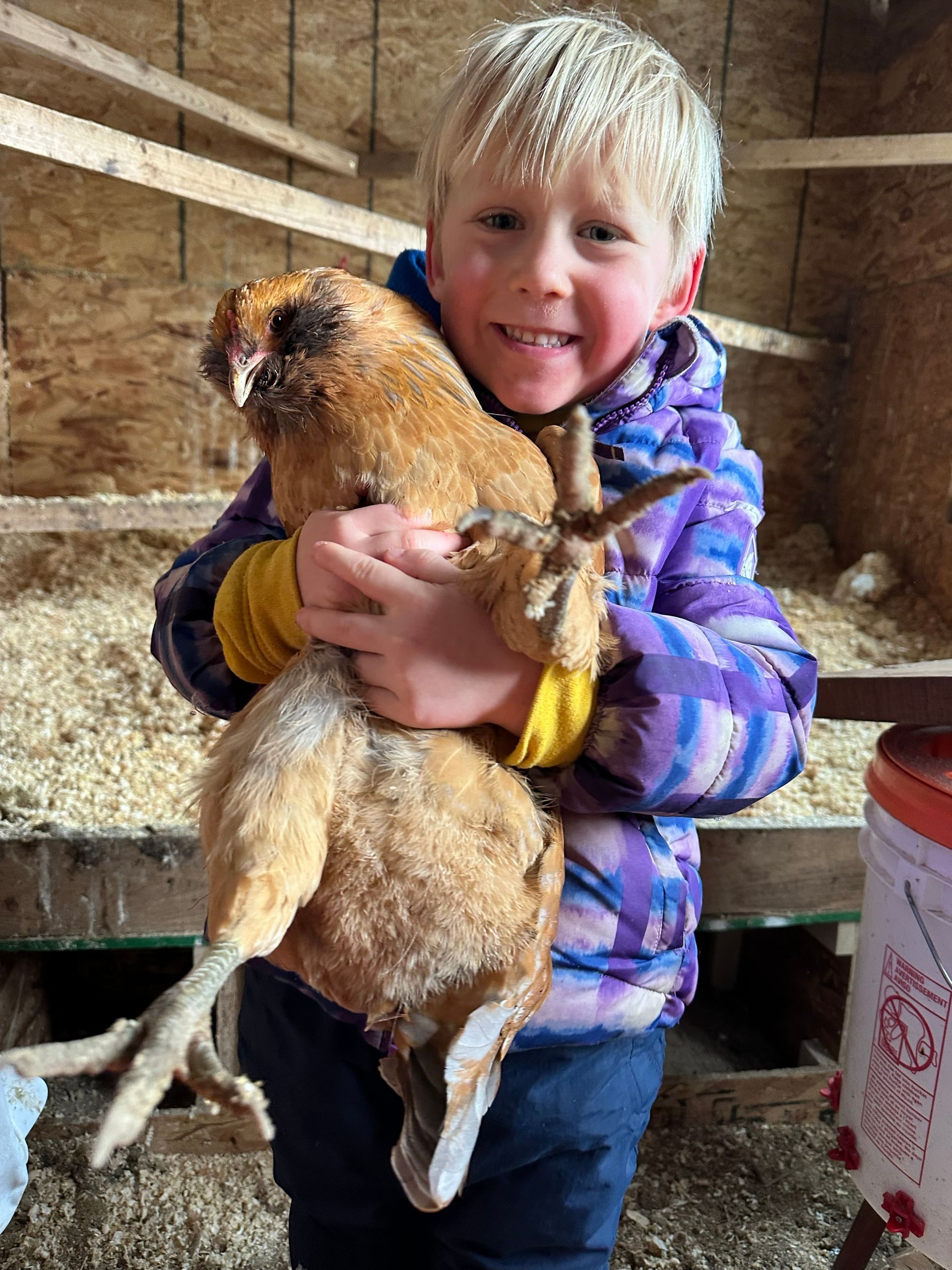
Last year, my family bought 27 chicks. Twenty-seven! Even the size of the flock felt like abundance, and at the time, maybe a little overkill. Why so many? What would we do with all of them? How would we care for them through the winter? We didn't have a coop built yet. Where would we even keep them?!
I had plenty of questions, but I decided to be generous with my family and trust that we would figure it out along the way. This, too, is a kind of generosity: the generosity of trust.
And we did figure it out. The chicks grew, a coop was built, and they made it through the winter. We changed their water, mucked out their coop, gave them treats, and eventually they grew into beautiful hens.
And then they started laying eggs. So many eggs. On average, about two dozen a day. Far more than one family could possibly eat, even with portion size generosity!
So we started giving them away. To our parents, friends, neighbors, coworkers, parents at school, the doctor's office, the hairdresser. Everyone gets eggs! And you know what? Sharing that abundance felt SO good.
Then over the summer, we decided to start selling them. We charged $7 a dozen, less than many of the fancy eggs at the grocery store these days. Many of the same people who had received our eggs as gifts were now happily paying for them.
And we hated it.
We started looking at the eggs differently. We started looking at our hens differently. One day, I dropped an egg and thought, "Well, that's 75 cents wasted." Yuck. That didn't feel good.
Then, in what felt like some strange message from the universe, a coyote came to our house and culled about half of our flock. We stopped selling the eggs. Our abundance had changed, and there simply weren't as many to go around.
And yet, we still have more eggs than our family can eat. But now, when people ask if they can buy our eggs, we say no. And we DO happily send them home with a dozen. And when they try to pay us, we tell them that we really don't want their money.
Because sharing this abundance feels important. It feels like connection. It feels like love. It feels like community.
This is the lesson I want to teach my children. That generosity isn't always about giving something away because we have more than we need. Sometimes it's about choosing connection over transaction. It's about recognizing that what we have can bring joy to someone else, and that in sharing it, we experience a joy of our own.
When we feel the inclination to hold tightly, to save, or to hoard what we have, how might we instead find the generosity to share? Where can we give away a little of our abundance and experience the joy, love, and connection that come with it?

Community Spotlight: By Elizabeth Sweeney
Elizabeth is an alumni parent of LMPSA and a current member of the Leelanau Montessori Forever Foundation.
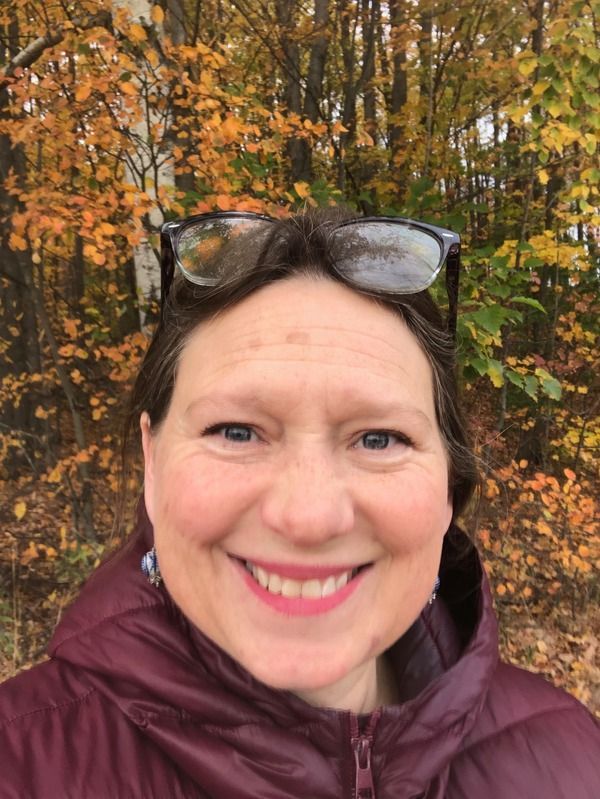
As a military family, our children have attended schools in five states and two countries. Leelanau Montessori is our family’s 8th elementary school and our 5th Montessori school. Every school has its strengths, and Leelanau Montessori Public School Academy stands out above all the others because of the generosity of community that LMPSA creates among its guides, students, staff, parents, and partners.
Generosity implies abundance, a sharing of wealth - not necessarily in a monetary sense, but wealth of resources both tangible and intangible. Leelanau Montessori demonstrates its intangible wealth of resources in the generous daily acts of our guides, the community we build, and the beautiful spaces where our children learn. In spite of our school’s funding challenges, this community demonstrates its riches every day by showing an:
- Abundance of patience with our children (and us parents)
- Abundance of kindness
- Abundance of peace in our learning environments
- Abundance of gentleness
- Abundance of respect
- Abundance of creativity
- Abundance of care for our children and our community
- Abundance of joy in everyday activities
- Abundance of works (small and large)
- Abundance of color in the classrooms
- Abundance of organization
- Abundance of careful preparation
- Abundance of time shared by parent volunteers
- Abundance of curiosity in the classrooms and beyond
- Abundance of space – to run, grow, learn, explore, discover, problem-solve, research
My personal favorite single example of our community’s generosity is our annual Stone Soup Gathering. I love that our children share their art, framed by the beauty of our school’s natural spaces. I love that our children and guides take time to present songs, poems, and other performances with all of us. I love that volunteers share their warm soups and cold lemonade to nourish our bodies. I love sharing time with our school families and extended families as our children run about. I love that our alumni return to volunteer to serve soup! And I especially love that our broader community is invited to share in these gifts.
The wealth of our LMPSA community is rooted in all of these abundant resources and many more I have not listed. As my Montessori children grow now into teens and young adults, I see them being generous with some of these same intangible sources of wealth they have learned and internalized through their Montessori education. We feel so lucky to be a part of this generous community.
Family Conversation Corner
Questions for primary children
- What does it mean to share?
- How does it feel when someone shares something with you?
- What is something you could share with a friend or family member?
Questions for lower elementary children
- Can you think of a time someone helped you? How did it make you feel?
- Does generosity always mean giving something away, or can we also share our time, talents, and attention?
- What do you have that might be useful or meaningful to someone else?
- Have you ever helped someone and ended up feeling good yourself?
- How can we notice when someone might need a little extra kindness or support?
Questions for upper elementary children
- What does it mean to have enough? Can a community become richer when people share what they have?
- Is generosity always about giving something? What about listening, including someone, sharing knowledge, or standing up for someone?
- Why might it be difficult to share when we feel we don't have enough?
- What responsibilities do we have to people in our community?
- Can you think of a time when someone's generosity created a ripple effect?
- What would a community look like if everyone thought about what they could contribute, rather than only what they could get?
A Thankful Song sung by Sugar Maple students
Now we are thankful for the night and for the pleasant morning light for rest and food and loving care and all the makes the world so fair Today we do the things we should we are to others kind and good in all we do and all we say we grow more loving everyday
Staff Perspective:
By Monica Korson | Sugar Maple Guide
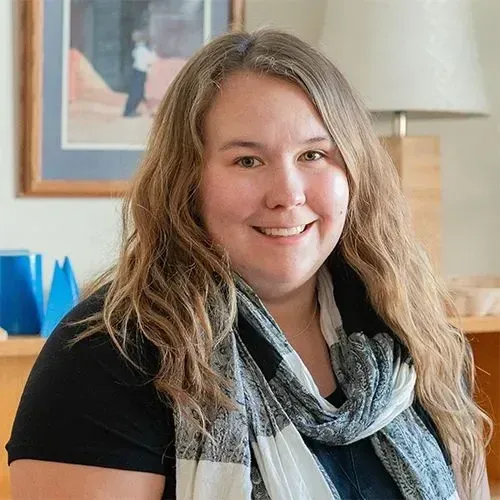
A Little Gratitude Goes a Long Way
Today, I watched as a child walking through the classroom suddenly stopped in his tracks. He had noticed a pile of paper snippings scattered across the floor. He looked at the floor, looked at the child who was currently working, and without being asked, he gathered the dustpan and brush and returned to sweep up the pieces. Once the floor was clear, he put the tools away, made his way back to his table, and quietly continued his work.
It was a small moment, one that could easily go unnoticed in the rhythm of a busy classroom. But these are the moments that remind us of the beauty of a Montessori environment. Gratitude often lives in the quiet, everyday actions. The children show care for their environment, respect for one another, and a growing awareness of the important role they each play in our community.
In our classrooms, gratitude looks like small acts of care. Children put materials back on the shelf, ready for the next person. This might look like cleaning a tray, restocking supplies, or returning pencils to their container. It also looks like helping a friend zip their jacket, pushing in a chair, watering a plant, helping prepare snack, quietly making room for someone to join the circle, or even a parent taking home the classroom laundry.
These moments may seem small, but they are meaningful contributions to our community. They reflect a growing awareness of others, a sense of responsibility, and an understanding that we all play a part in caring for the people and environment around us.
As guides, we recognize these moments by taking the time to notice and acknowledge them. Sometimes this is as simple as saying, "I noticed you took the time to put everything back for the next person," or "You saw that your friend needed help." Rather than focusing on praise or rewards, we offer genuine observations and opportunities for reflection.
We model gratitude and make space for children to notice the kindness and care shown by others. Over time, the children begin to recognize that they are not only cared for by their community, but that they have something meaningful to offer in return.
As we enter this season of gratitude, I encourage you to look for one small moment of gratitude in your own day. Perhaps it is something you do for someone else, something a family member does for you, or a thoughtful gesture you notice within your community. Take a moment to acknowledge it. Sometimes, the smallest acts of care make the biggest difference.
Thank you for reading this month’s newsletter!