
Programs
Elementary
We offer both a lower (6–9) and an upper (9–12) elementary program.
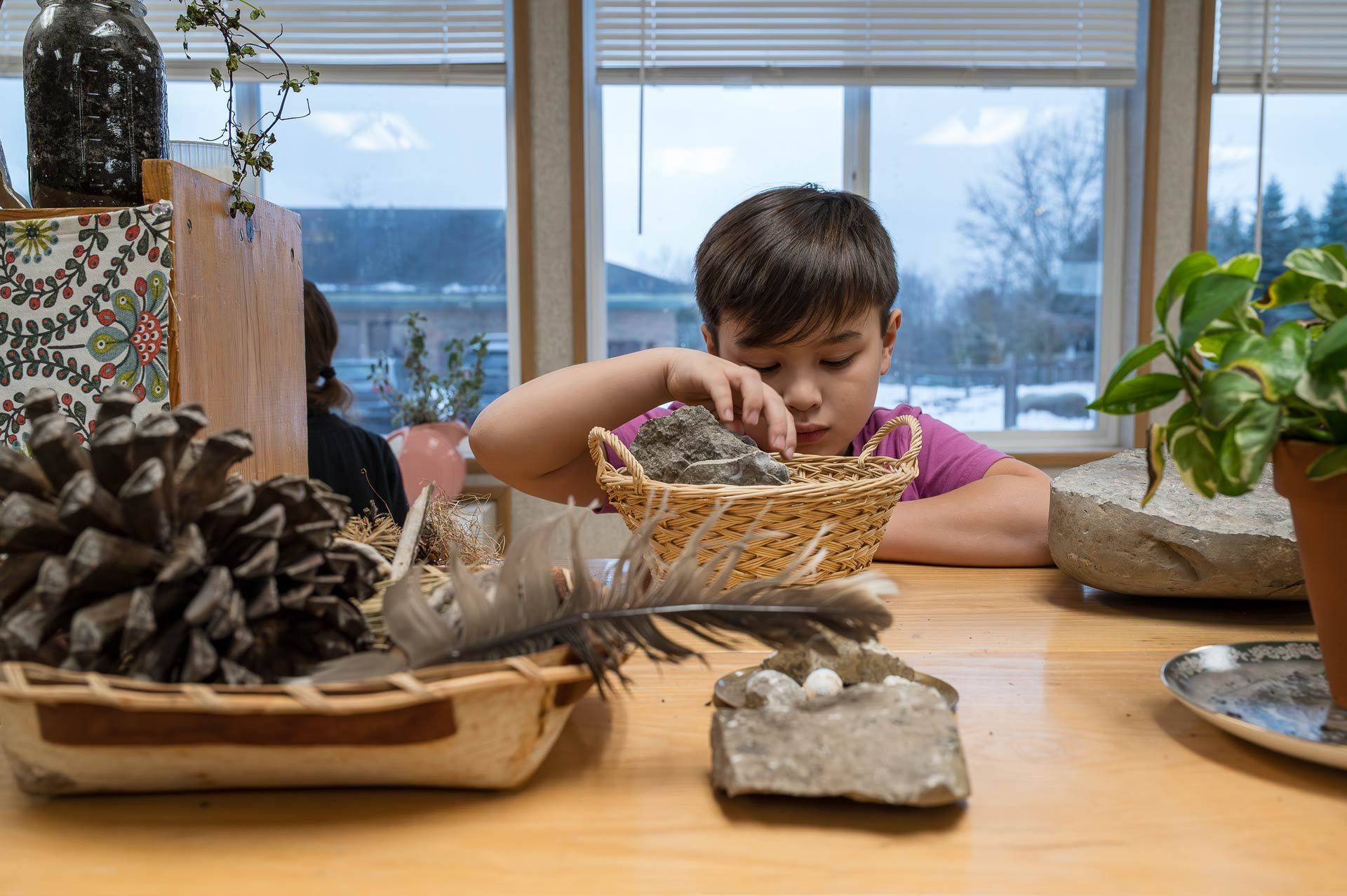
The Elementary program offers children a rich and purposeful environment designed for this important stage of development.
What to Expect
Our Program's Unique Features
An Overview of Lower & Upper Elementary
In Lower Elementary (ages 6–9), children’s imagination, curiosity, and growing social awareness are met with an expansive, integrated curriculum that invites exploration and deep engagement. Students begin engaging in meaningful projects and “going outs,” learning how to plan, collaborate, and extend their learning beyond the classroom, all within a framework of thoughtful freedom and clear limits.
As children mature and their thinking becomes more abstract, the nature of their work deepens and expands. In Upper Elementary (ages 9–12), students take on longer-term projects, more complex research, and increased responsibility for their learning. With greater independence and accountability, they strengthen critical thinking, ethical awareness, and problem-solving skills—preparing them for the academic and social challenges ahead.
Learning Without Limits
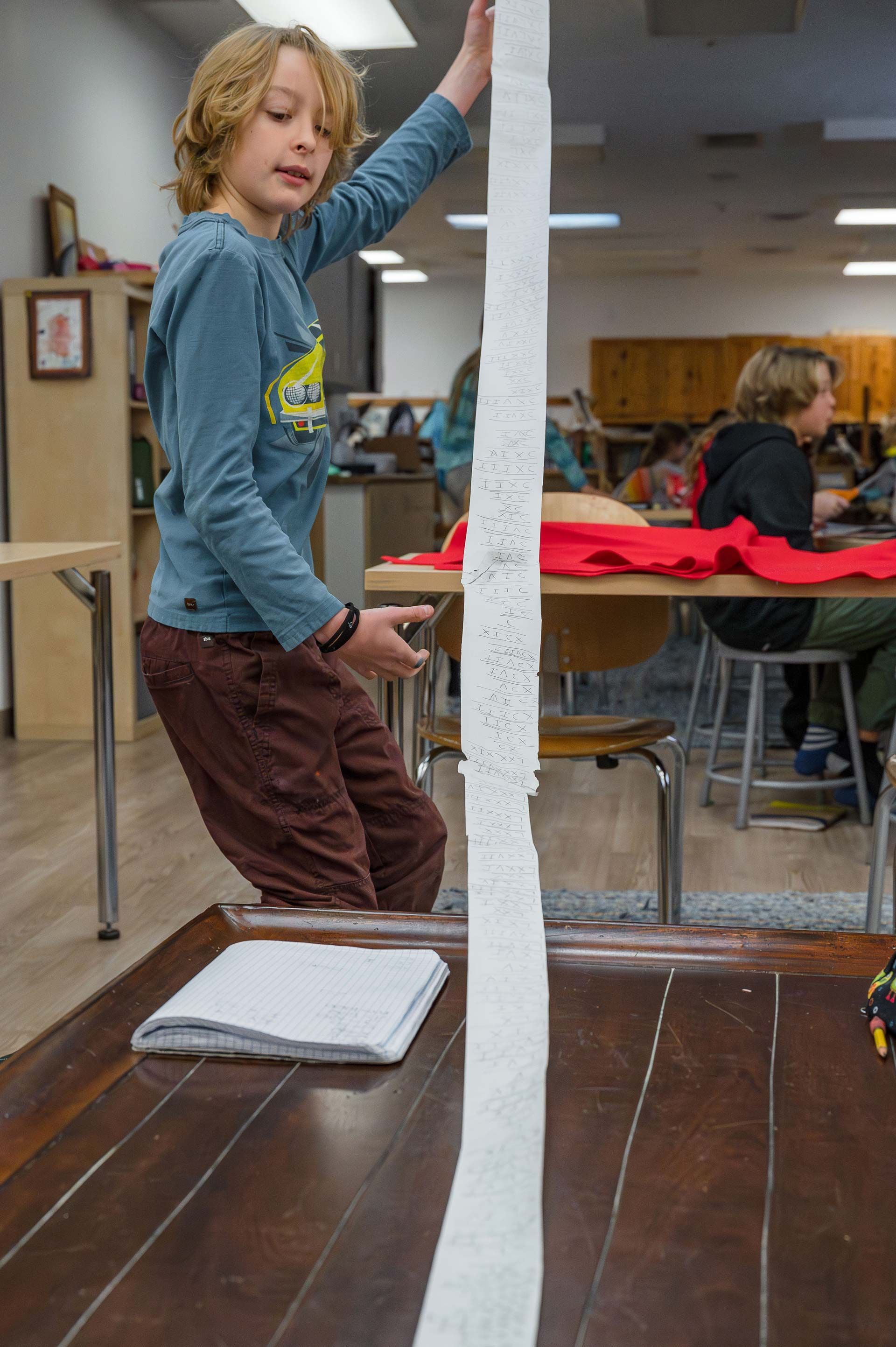
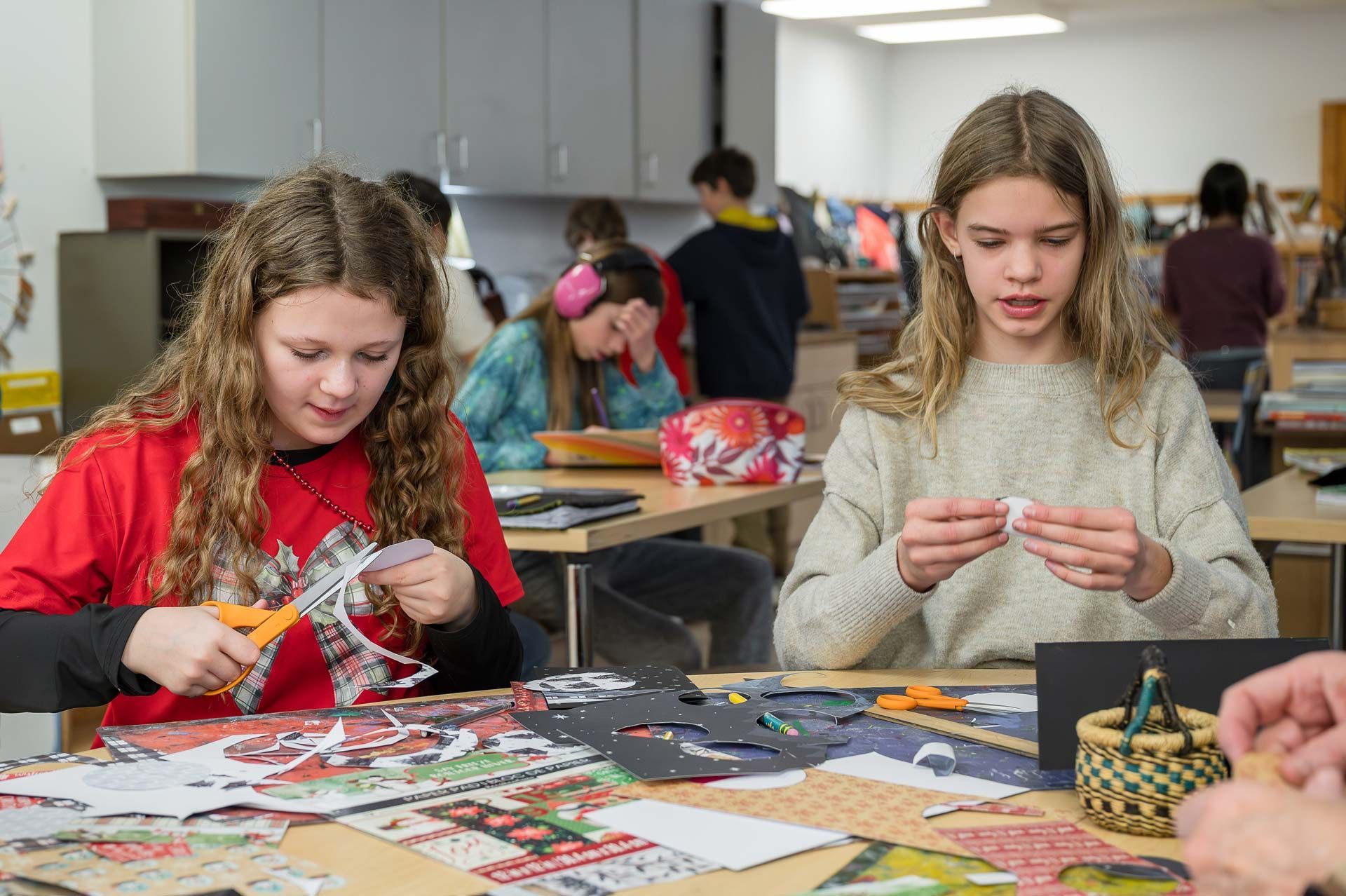
Your child will study both broadly and deeply, covering many subjects not attempted in conventional schools. Because there is not a rigid schedule or prescribed curriculum that the whole class must follow, your child can focus intensely on self-chosen work, with minimal interruption. At the same time, collaboration with the teacher ensures that your child’s work is challenging and purposeful – and that basic standards are met. In that way, the teacher is in charge of the minimum scope of work – your child is in charge of the maximum.
The Teacher Is an “Enlightened Generalist”
Our Montessori trained teachers don’t have a specific area of expertise and we don’t have “specialist” teachers for subjects like art, P.E., or music. Instead, our teachers have a broad knowledge of all subject areas – more than enough to help your child discover interests in any area imaginable and to offer challenges to deepen the field of study through research.
Engagement Is Essential
Real learning occurs when children are engaged – not when the teacher makes a blanket assignment. Curiosity is championed in our Elementary, and your child is encouraged to explore concepts to a level of detail only limited by imagination.
Beyond the Classroom
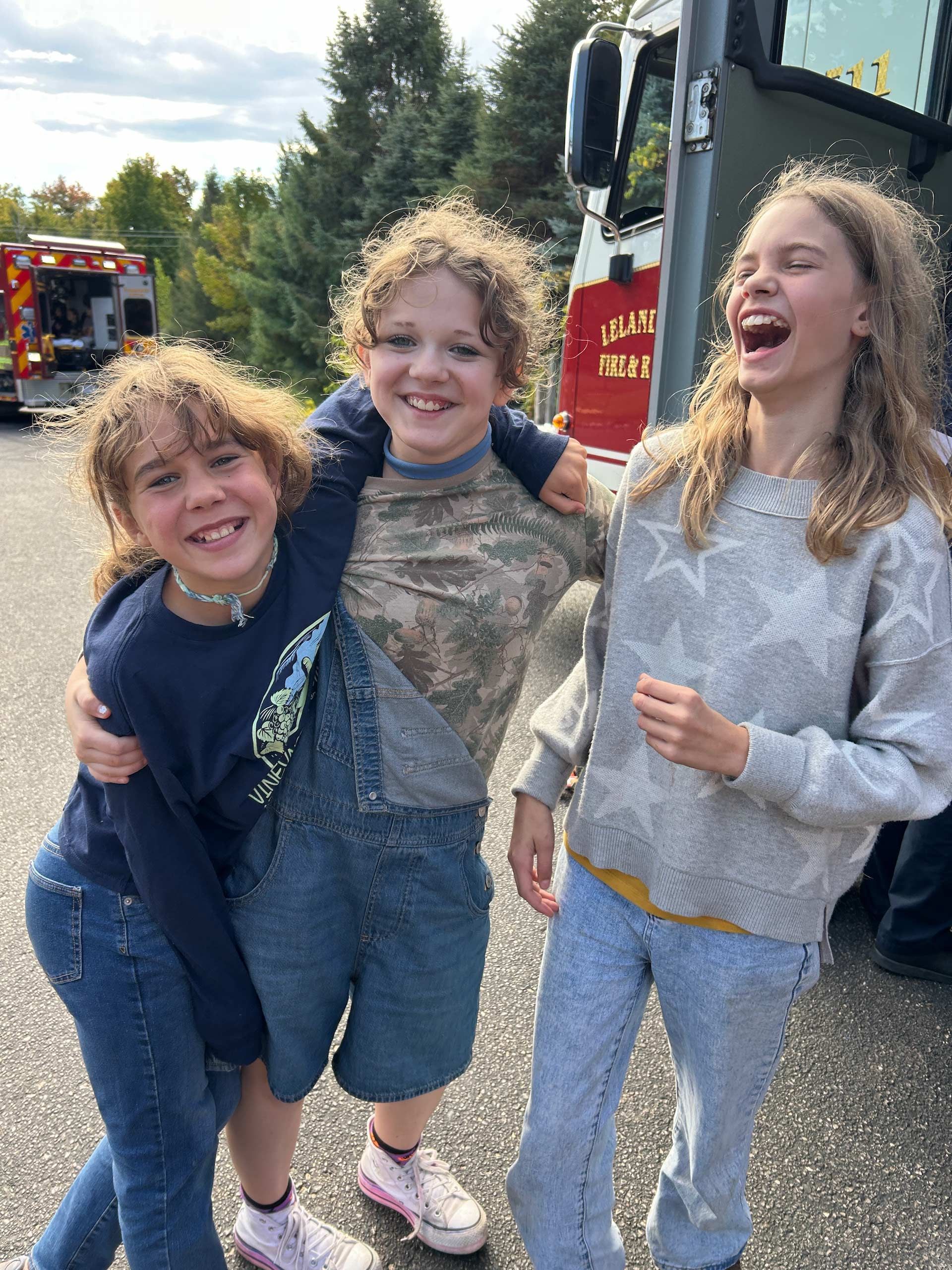
We want the children to be comfortable navigating the world, not just our classroom. So, we have a few excellent books, but not everything there is to read about a topic. As a result, the children must ‘go out’ beyond the limits of the classroom to find the information or resources that they need. A ‘Going Out’ is a planned undertaking by a small group of children. They find a resource in the community, schedule the outing, arrange for their own transportation and supervision (by staff or parent volunteers), prepare themselves for the experience, and conduct themselves with dignity while out in public.
The Format Mirrors Your Child’s Developmental Needs
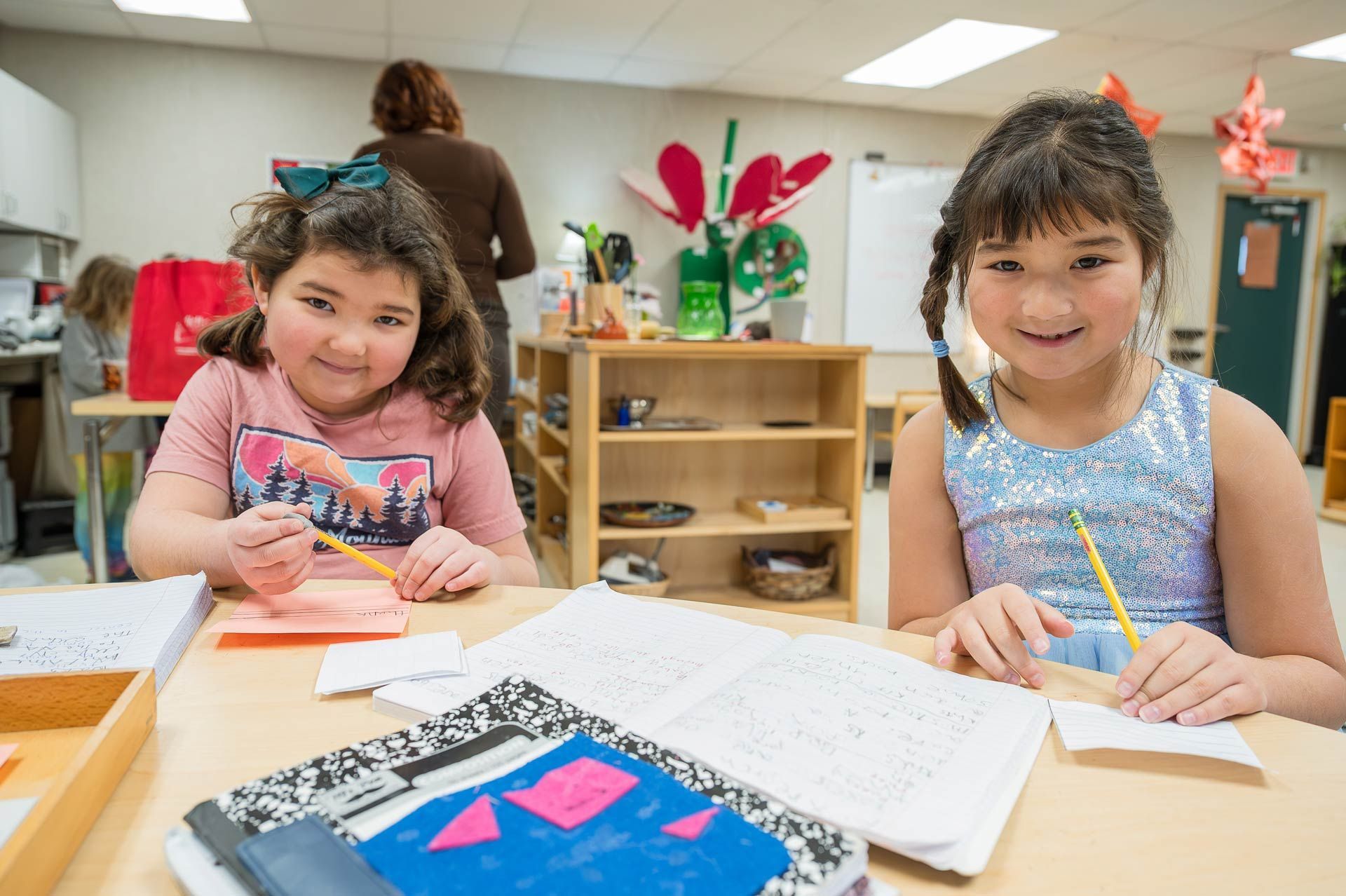
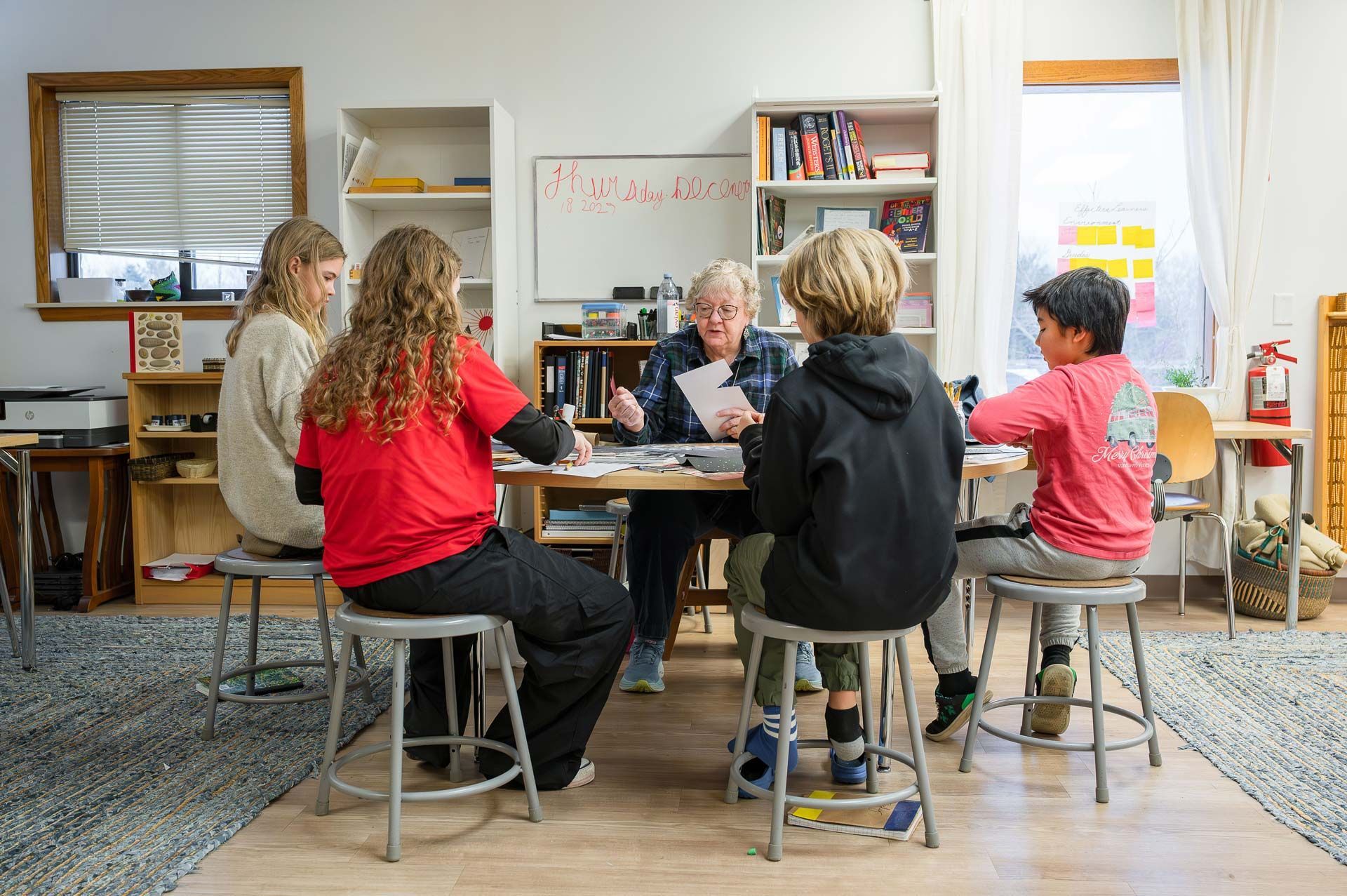
Your elementary-age child has a strong drive for social connection. This is when children are starting to develop deeper friendships and a connection to the community around them. Why then, would we want our children to learn in rows of desks, confined to a chair, while the teacher lectures the class as a group? Instead, we embrace your child’s natural need for social exploration by giving lessons in small groups and encouraging children to work with a variety of others on follow-up projects and research into subjects of intense interest.
Learning in Context for Deeper Understanding
Unlike in a conventional program with a separate time of the day for each subject, your child will gain a much deeper understanding of concepts by learning in context. The starting point for all courses of study is the “Great Lessons.” These impressionistic and scientific stories give your child the “big picture” of astronomy, earth science, geography, physics, biology, history, anthropology, cultural and social studies, language, math, music, and art. Meaningful learning happens when children understand the “why” as much as the “what” – and are inspired to learn even more on their own.
Developing Flexibility, Resilience, and Grit
We believe children learn to be adaptable by supporting them to solve their own problems, rather than solving problems for them. With the help of a supportive adult, your child can, most often, find the best solution.
Learning As Its Own Reward
We have high expectations for your child and believe that rewards and punishments appeal to the lowest levels of individuals’ intellect. Given a sticker, children will do their best for a few minutes. Given experiences that help them to believe in themselves and their abilities, they will do their very best for a lifetime.
Prepared and Confident
The ultimate goal of the elementary program is to develop students’ abilities and self-confidence so that they are able to take charge of their own learning. Students who have gained an appreciation for the enormous scale and resources of the world through the elementary curriculum are ready to explore their place within that world.
What People are Saying
Parent Reviews
"All of the staff at the school have been incredible over the years with my children. We couldn’t have asked for a better learning environment. Thank you for ALL that you do."
— Leelanau Montessori Parent
“I appreciate the way elementary teachers address social issues and conflict among the students so that they feel seen, safe and heard."
— Leelanau Montessori Parent